What is Permaculture?
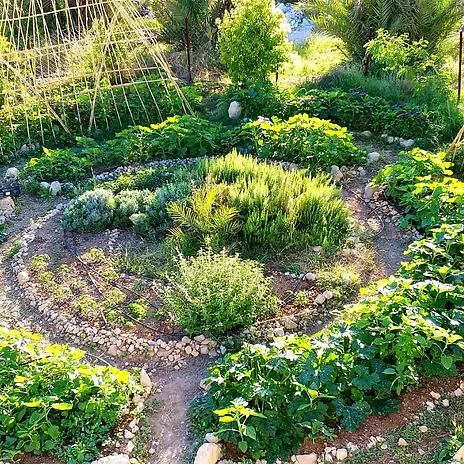
“Permaculture (permanent agriculture) is the conscious design and maintenance of agriculturally productive ecosystems which have the diversity, stability, and resilience of natural ecosystems.” (B. Mollison, Permaculture, a designers’ manual).
Design systems can be applied to all aspect of life and more broadly permaculture can be seen as a philosophy for a sustainable and holistic lifestyle. In simple words, it is a way to cooperate with the living world, instead of working against it or trying to dominate it.
During the course you will learn the strategies and techniques that can provide a permanence of human life on earth in harmony with nature. It will give you design tools for planning and implementing garden, home, work and community projects that look after the earth and people. This PDC results in a Permaculture Design Certificate: you will be delivered a certificate of good completion of the course led by Thomas Fernley-Pearson, Machiel van Nieuwenhove and organized by ARD.
Topics:
- Permaculture ethics & principles
- Observing and understanding patterns
- Design process and methodology : SADIM (Survey, Analysis, Design, Implementation, Maintain)
- Soil science, management and conservation
- Water harvesting and irrigation systems
- Trees, orchard and woodland management
- Food forest design, implementation and management
- Cultivated ecology: intensive garden
- Plant care and seed saving
- Urban challenges and urban permaculture
- Appropriate technology and sustainable energy systems
- Animals in permaculture systems
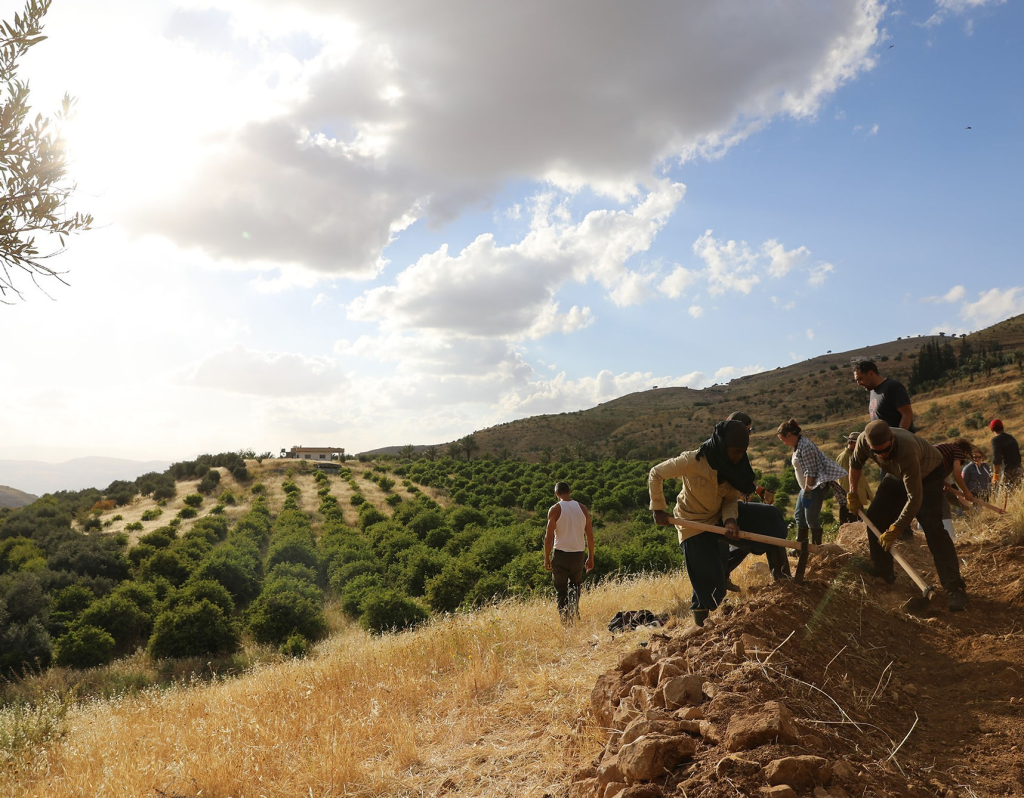
- Hands on: earthwork, compost, intensive gardening, natural building, plant care…